In our spotlight series, we explore a new city monthly, diving into drinking trends, where to go for great wines, and unique products or services linked to the region. Keeping our finger on the pulse when it comes to the wider world of wine is critical for us, helping us identify areas of opportunity for our clients, our eventing arm ‘Wrapped’, and for our online product offering on Uncorked. Whether curious about the habits and happenings of a city, or looking for wine-centric areas to visit in the area, our ‘spotlight on’ series is for you.
CB Wine’s London base has eyes, ears, hands, and of course mouths, across the globe; through clients, projects, travel experiences, customers, or otherwise, we always pride ourselves on global involvement. A central focal point has always been Hong Kong, whether by their towering auction market, HNWI clients, up-and-coming trends, or general refinements. This month we explore the overwhelmingly huge impact and culture located there and centred around wine, which has positively impacted this belovèd market of ours.
OVERALL TRENDS
- A huge congregation of UHNWIs, business, and luxury lifestyle.
- Embracing international wine, especially Burgundy, Champagne, and California.
- A nascent native wine production scene, being celebrated internationally.
- Status-symbolisation of fine wine, Champagne in particular.
BRUT!
Champagne Culture in Hong Kong

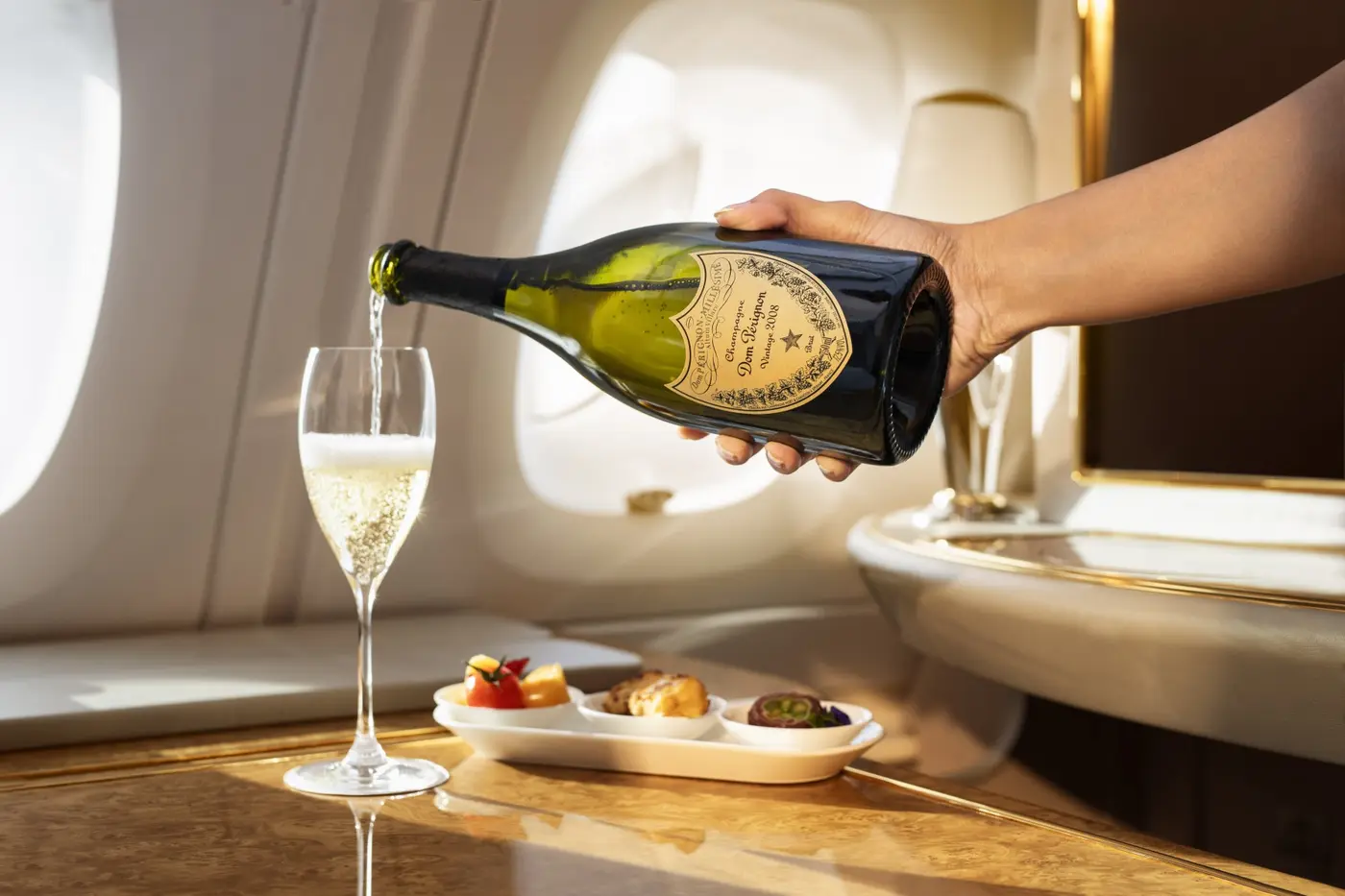
Hong Kong has a defined status-symbol connection to wine, especially red wine and champagne, with clients, business partners, and social events being driven by Champagne consumption, or at the very least undergirded by it. Whilst this exists in almost all countries, it is certainly heightened here, and finds itself taking on a different form. Where typical luxury Champagne culture is dominated by the large houses: Dom Pérignon, Krug, Bollinger, and Salon, in Hong Kong, we find a sincere appreciation for the cult-like status of quietly iconic grower champagnes like Henri Giraud, Egly-Ouriet, Fleury, and Jérôme Prévost, whose La Closerie ‘&’ is one of our most popular champagnes on Uncorked.
Interestingly, Grower Champagne finds itself at a unique cross-section within the Hong Kong culture, where its appreciation is garnered by both HNWI, luxury business, as well as amongst a younger demographic drawn to the small-scale, often organic/natural production of these wines, along with the cult-like status.
A perfect distillation of this culture can be found at BRUT!, a trendy yet exclusively and well regarded establishment which seamlessly blends haute-culture and cutting-edge youth in the modern Tung Cheung Building. Here, through its sleek black metal doors, you find shelves adorned with smaller, lesser-known producers like Michel Arnould & Fils, sat comfortably alongside more famous examples like Paul Bara. Their neatly curated list is not, however, restricted to just Champagne, and features a stunning list of exciting products, like South Korea’s ‘Koyberpunk’ Cabernet Sauvignon, Oregon’s ‘Sokol Blosser’, and Austria’s ‘Weingut Zahel’.
Its vibrant, distressed interior, marvellous food menu featuring a real fusion of French and Chinese cuisine, and diverse clientele make it a top spot in Hong Kong.
BAR HOPPING

SOMM Hong Kong
Location: Landmark Mandarin Oriental, 15, 7/F Queen’s Rd. Central, Hong Kong.
Vibe: Classy, refined, serious.
Known for: A central hub of international oenophilic and luxury culture within the city.

BELON
Location: 1st Floor, 1-5 Elgin St, Central, Hong Kong.
Vibe: Bright, down-to-earth, charming.
Known for: A Michelin starred curated experience of natural wines and organic produce.

SILÈNE
Location: Ground Floor, 33 Aberdeen St, Central, Hong Kong
Vibe: Bohemian, Francophilic, exciting.
Known for: A remarkable wine and dine experience, centred on French connections.

Bar Cyclone
Location: 1801, M88, 2-8 Wellington St, Central, Hong Kong
Vibe: Exclusive, elegant, modern.
Known for: Being the top exclusive spot for serious connoisseurs or those looking to impress.
NATIVE WINES
Local Production & the 67 Pall Mall Highlight

Hong Kong has a clear and prominent reputation as both clients and consumers in wine, but the last couple years has seen a third accolade: producers. Not an entirely new affair, China has been producing wines for a very long time, but the strides made in the last few years have been remarkable, especially from an international fine wine perspective — and this is an area which CB Wine has been paying close attention to.
Wine has existed in China since 7000 BC, but records show the word “pútáojiǔ”, which translates to ‘grape alcohol’, and the form it existed in was likely dissimilar to what we now consider wine to be. There were various production styles, some resembling sweet white wines, some closer to mead wines, and some higher distilled forms akin to port, but the truth is, we really do not know. Large parts of the documentation is found in Chinese poems, and playful records of dynastical banquets, both being mediums within which exaggeration and obfuscation are prevalent. One famous Tang poem by Li Bai says:
When hopes are won, oh! Drink your fill in high delight,
And never leave your wine-cup empty in moonlight!
[…]
And drink three hundred cupfuls of wine in high glee!
Dear friends of mine,
Cheer up, cheer up!
I invite you to wine.
There were plenty of periods throughout this history in which wine crossed into the Chinese realm, including a series of Greek settlers in the 4th Century BC, who arrived with wines and vines enough to leave traces of vineyards across the mainland. We have, however, to skip forward to 1892 to find what is largely regarded as the first ‘modern’ winery, producing simulacrums of that ‘distant, western drink’ which plenipotentiaries, diplomats, and travellers from the orient had discovered on their global peregrinations. Later still, following Mao’s economic reforms, the great leap forward, and Deng Xiaoping’s opening of China to the western world, it is only in 1980’s, that French wine was imported into China, marking the first official arrival of foreign wines. As such, it is no surprise that it was regarded as an exotic luxury, and it was this late-arrival which partially contributed to the earlier discussed status-symbolism Champagne, and French wine in general, possesses.
Today, China is the 10th largest consumer of wine, and has been experimenting with grape cultivation and modernised wine-making techniques, most notably utilising grapes of international acclaim and versatility across terroir; the leader of the pack is certainly Cabernet Sauvignon, dominating wine production across the entire nation, followed by Merlot, and, what is widely considered the ‘one to watch’, Marselan — a French crossing of Cabernet Sauvignon and Grenache, and whose wonderfully punchy-yet-balanced flavour profile not only excels in the climate, but perfectly suits local and international markets. As far as white grapes go, Chardonnay is incredibly popular, but it seems that Riesling is really the star of the show, with its natural acidity and complexity really shining in the diverse terroirs of China.
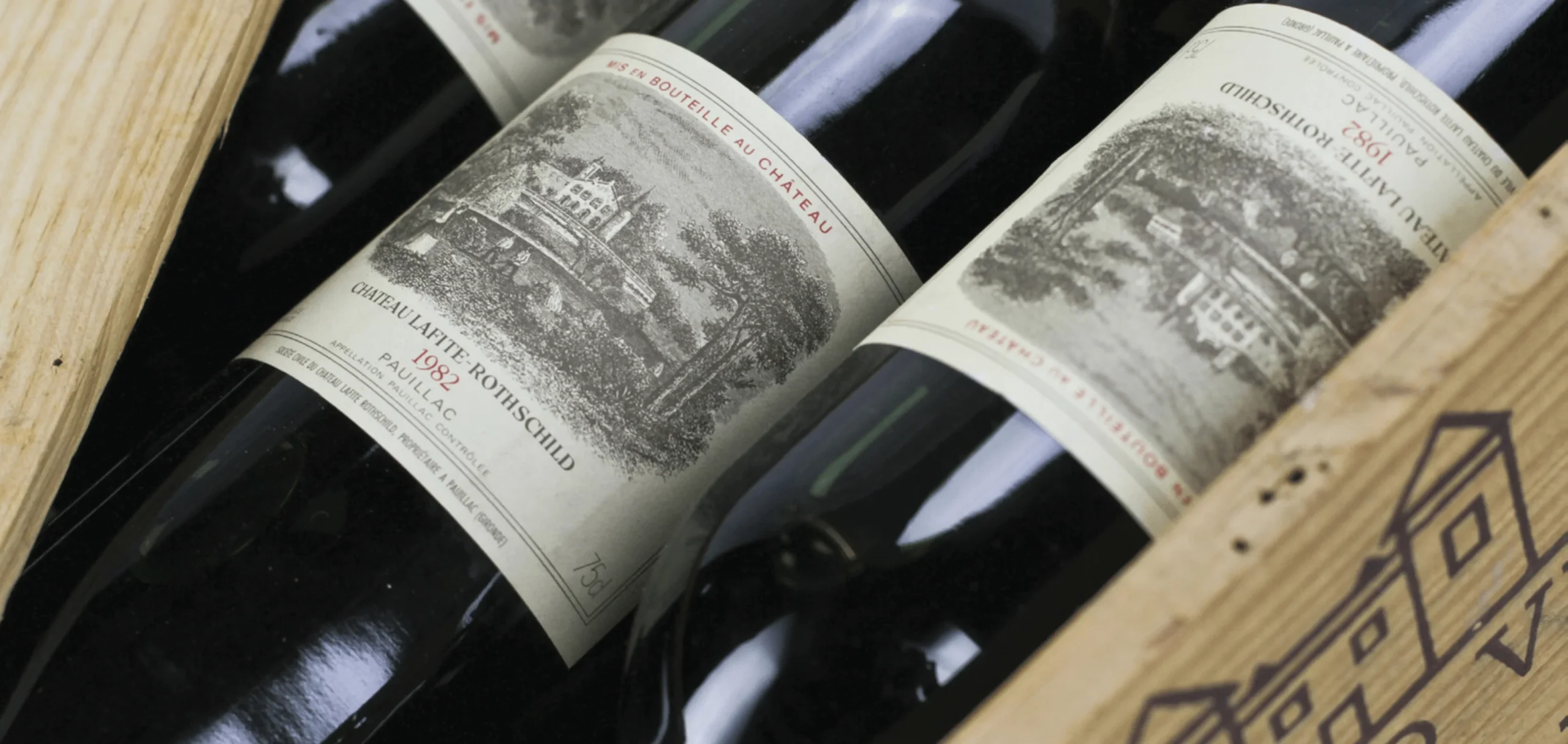
This burgeoning market is drawing massive international acclaim, withfamed French producer, Château Lafite Rothschild, producing Cabernet and Marselan under their Chinese brand: Domaine de Long Dai. Another proponent of Chinese wine has been 67 Pall Mall, the international, London-based, members-only wine club — a name which no doubt many of our clients, readers, and customers will have heard. Last year, they launched ‘China Uncorked’, featuring a display of 67 Chinese wines worth serious consideration, alongside their new ‘En Primeur’ membership scheme for Hong Kong residents, granting them access to exclusive events, all of 67’s international locations, and the local bar ’67 on Hollywood’, an expectedly sleek, classy, and exuberant bar for Hong Kong’s oenophiles.
As part of CB Wine’s heritage and operations, we frequently host exclusive events for clients, and non-clients alike, so get in touch today to enquire about any upcoming events, or a bespoke event for you company or group.