In our spotlight series, we explore a new city monthly, diving into drinking trends, where to go for great wines, and unique products or services linked to the region. Keeping our finger on the pulse when it comes to the wider world of wine is critical for us, helping us identify areas of opportunity for our clients, our eventing arm ‘Wrapped’, and for our online product offering on Uncorked. Whether curious about the habits and happenings of a city, or looking for wine-centric areas to visit in the area, our ‘spotlight on’ series is for you.
In this Spotlight, we explore wine travel in Porto, Portugal. Few cities have an identity so closely intertwined with a single wine. Sitting at the mouth of the Douro, Porto became the commercial gateway between the vineyards of northern Portugal and the rest of the world, lending its name to Port and developing alongside the merchants, warehouses and ships that carried it overseas. Across the river in Vila Nova de Gaia, historic Port lodges still dominate the waterfront, while Porto itself is developing a new generation of wine bars championing Douro table wines, Vinho Verde, Bairrada, Dão and Portugal’s wealth of indigenous varieties. The result is a city where centuries of wine tradition sit comfortably alongside a rapidly evolving modern drinking culture.
OVERALL TRENDS
- Douro reds and whites sit alongside the city’s traditional Port offering
- White Port & tonic helping introduce fortified wine to a younger audience
- Natural and low-intervention Portuguese wines are increasingly visible
- Independent wine bars are showcasing regions beyond the Douro
Port: The Backbone Of The City
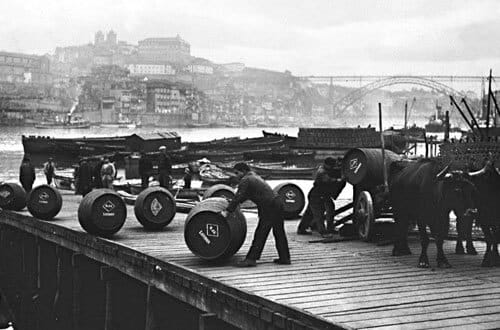
Porto’s relationship with wine begins upstream. Grapes destined for Port are grown along the Douro Valley, where vines cling to steep terraces following the river inland towards Spain. Historically, the resulting wines travelled down the Douro towards Porto and Vila Nova de Gaia, where they could be stored, matured and, crucially, shipped onwards to international markets.
Gaia developed into the centre of the Port trade in part because of its position between the Douro and Europe’s maritime routes. By the Middle Ages, wine was already moving downriver for trade, while fortified wines became increasingly important to Porto’s export economy during the 17th century. The industry became far more formally controlled in 1756, when the Companhia Geral da Agricultura das Vinhas do Alto Douro was established and the Douro’s vineyard area was demarcated. The system introduced rules governing provenance, quality, permitted vineyard areas and pricing, and is widely regarded as one of the world’s earliest formal systems of protected wine origin.
Today, that history remains visible almost everywhere along the Douro. Look across from Porto’s Ribeira and the hillside opposite is still dominated by Port-house signs and terracotta roofs. Yet the drinking culture around them is changing. Vintage Port and mature Tawny remain central to the category, but chilled white Port and tonic, rosé Port and more informal by-the-glass tastings are giving fortified wine a role beyond the traditional end-of-dinner pour.
BAR HOPPING
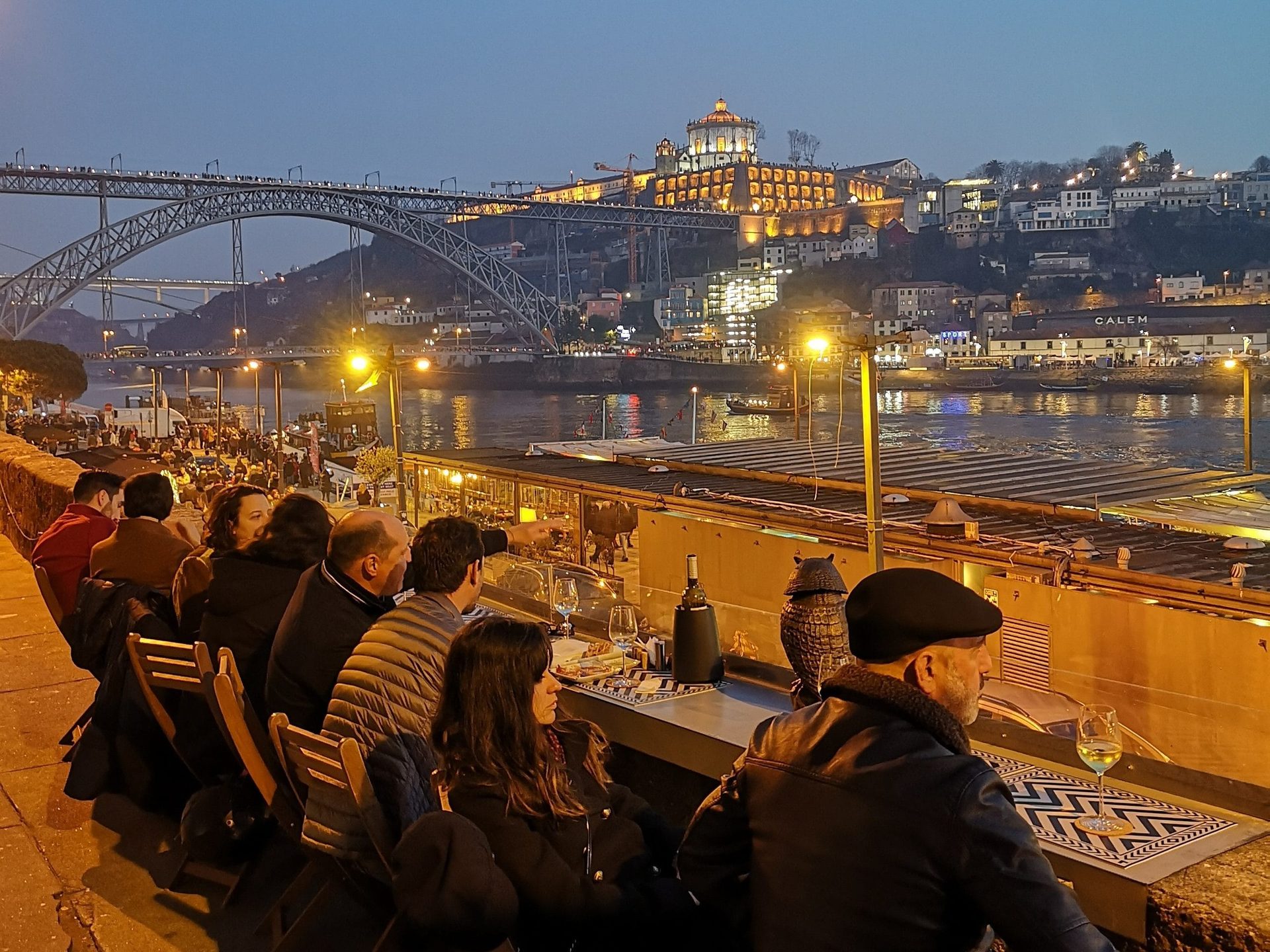
Wine Quay Bar
Location: Muro dos Bacalhoeiros 111, 4050-080 Porto, Portugal
Vibe: Relaxed, riverside and unmistakably Porto
Known for: Portuguese wines, relaxed sharing plates and standout views across the Douro towards Gaia.
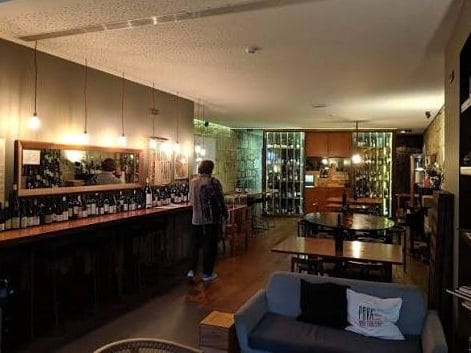
Prova
Location: Rua de Ferreira Borges 86, 4050-252 Porto, Portugal
Vibe: Intimate, knowledgeable and quietly serious about wine
Known for: A carefully curated Portuguese wine list, smaller producers and knowledgeable guidance across multiple regions.
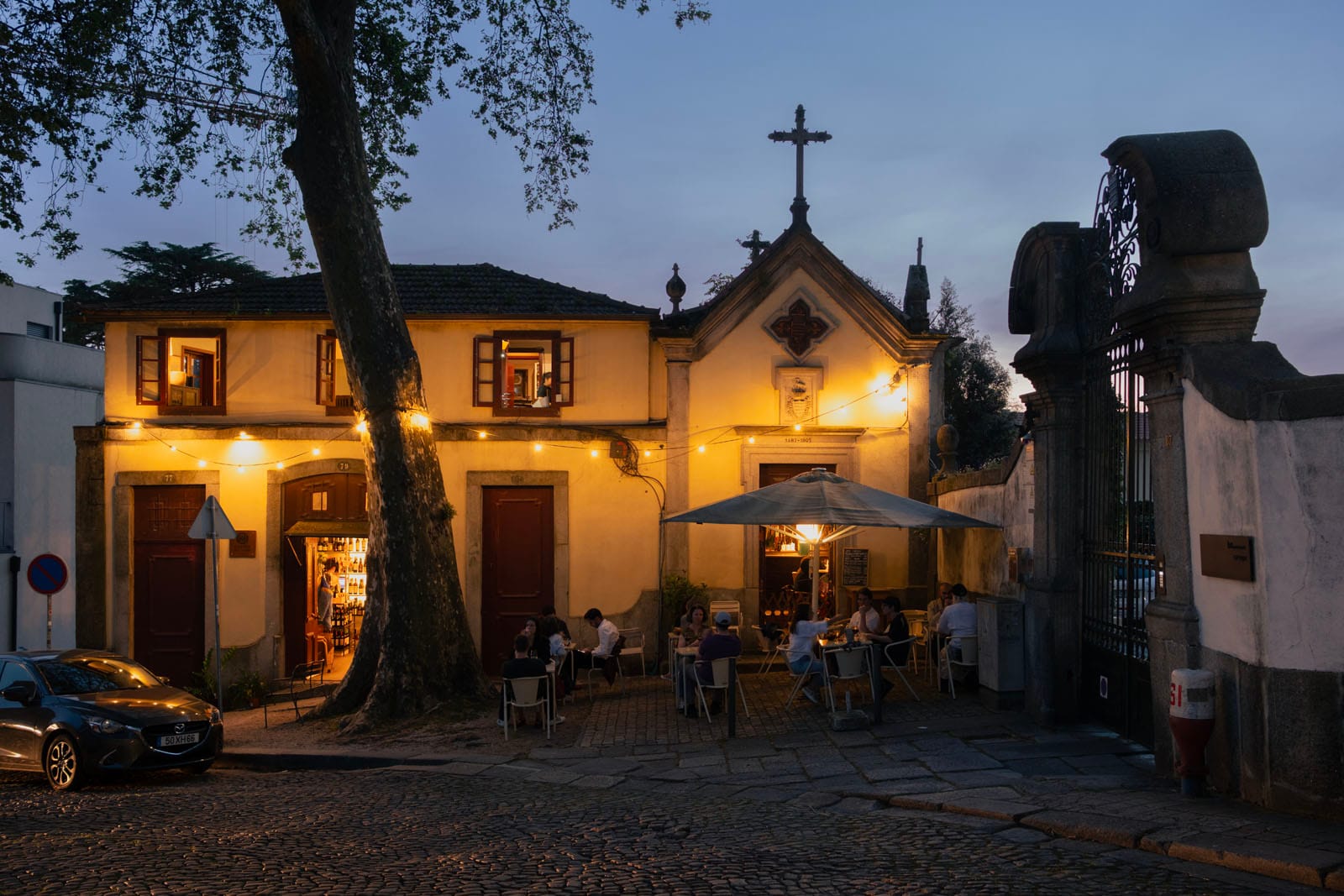
Capela Incomum
Location: Travessa do Carregal 77–81, 4050-167 Porto, Portugal
Vibe: Atmospheric, intimate and slightly unusual
Known for: Enchanting former-chapel setting and broad selection of Portuguese wines, Port and Madeira.
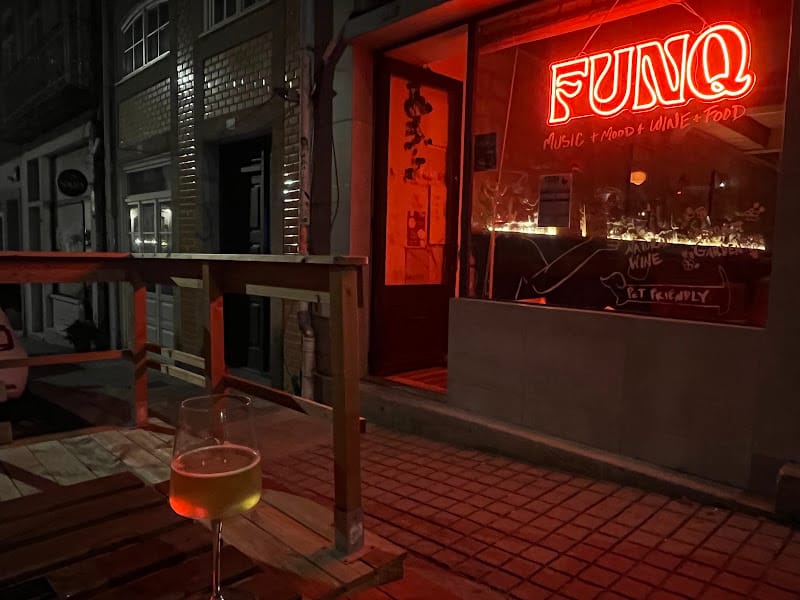
FUNQ Natural Wine Bar
Location: Rua do Almada 443, 4050-039 Porto, Portugal
Vibe: Contemporary, youthful and decidedly less traditional
Known for: Natural and low-intervention Portuguese wines in a more contemporary, youthful setting.
The Port Lodges of Gaia
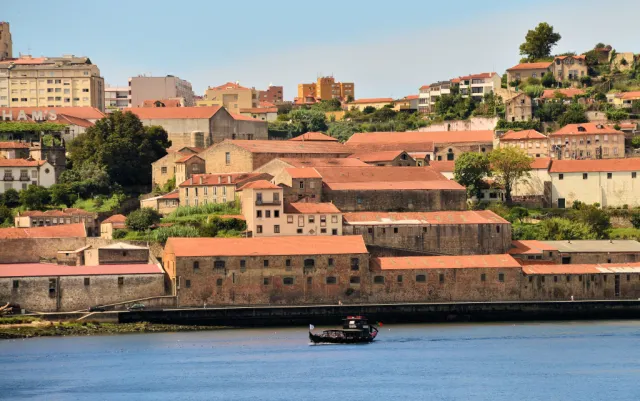
For all the change taking place in Porto’s wine bars, the most distinctive wine experience remains just across the Douro in Vila Nova de Gaia.
The vast lodges lining the hillside are more than visitor attractions. They developed as working centres of the Port trade, where wines arriving from the hot Douro Valley could be stored and matured in the cooler, maritime-influenced conditions close to the Atlantic before being shipped overseas. Port’s international success helped shape both Porto and Gaia, and the historic warehouses remain physical evidence of the extraordinary quantities of wine that once moved through the city.
The wines themselves also demonstrate why Port cannot simply be treated as a single style. Ruby Ports emphasise fruit and youth; Tawny Ports gradually develop nutty, oxidative complexity through extended barrel ageing; Vintage Ports spend comparatively little time in wood before decades of potential development in bottle. Mature examples can therefore provide an unusually tangible demonstration of time as an ingredient in wine.
But perhaps the most interesting story is what happens once you leave the cellar. On terraces around Gaia today, visitors are just as likely to encounter white Port and tonic served long over ice as they are a traditional glass of Vintage Port. Rosé styles have also appeared, while bars increasingly serve fortified wines as aperitifs rather than reserving them exclusively for the end of a meal.
It neatly captures where Porto finds itself today. The barrels, cellars and historic houses remain, but the ways in which people interact with them are changing. Cross back over the river and the transformation becomes even clearer: Douro whites, Vinho Verde, small Portuguese growers and natural wines increasingly share the city’s tables with the fortified wine that made Porto famous. Wine may have built much of Porto’s international reputation, but rather than existing purely as history, it continues to shape how the city drinks today.